

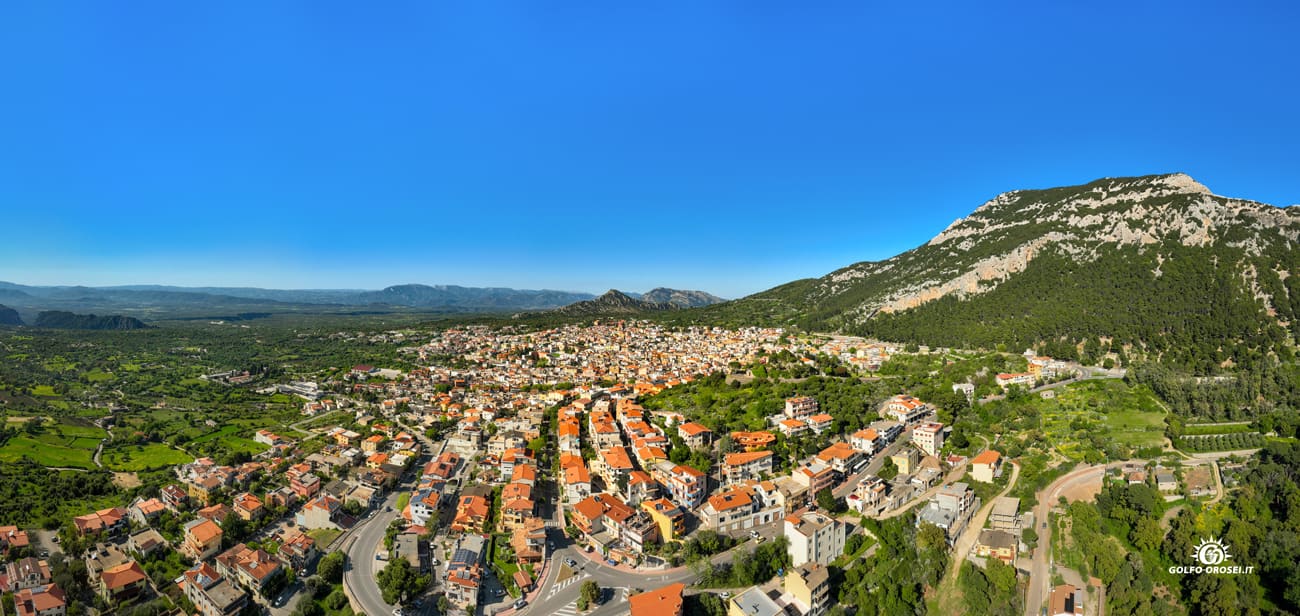
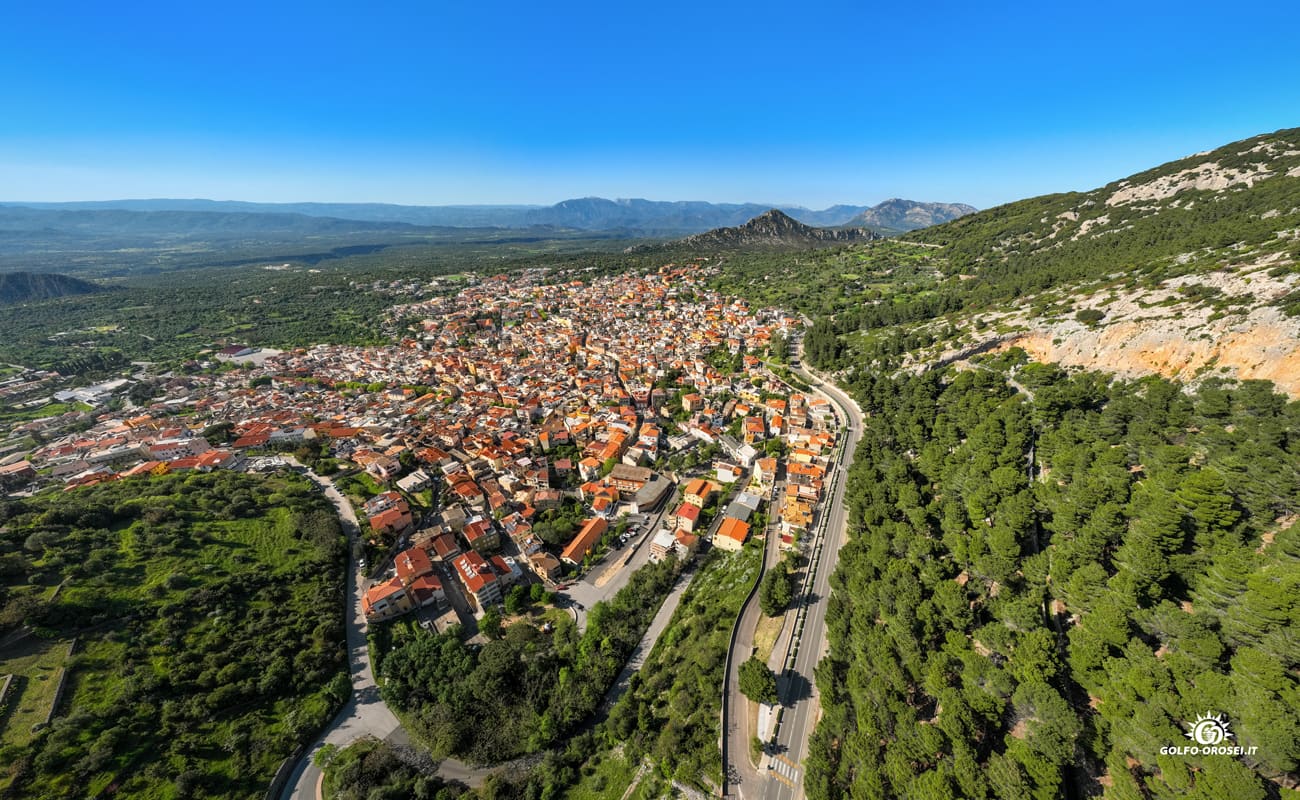
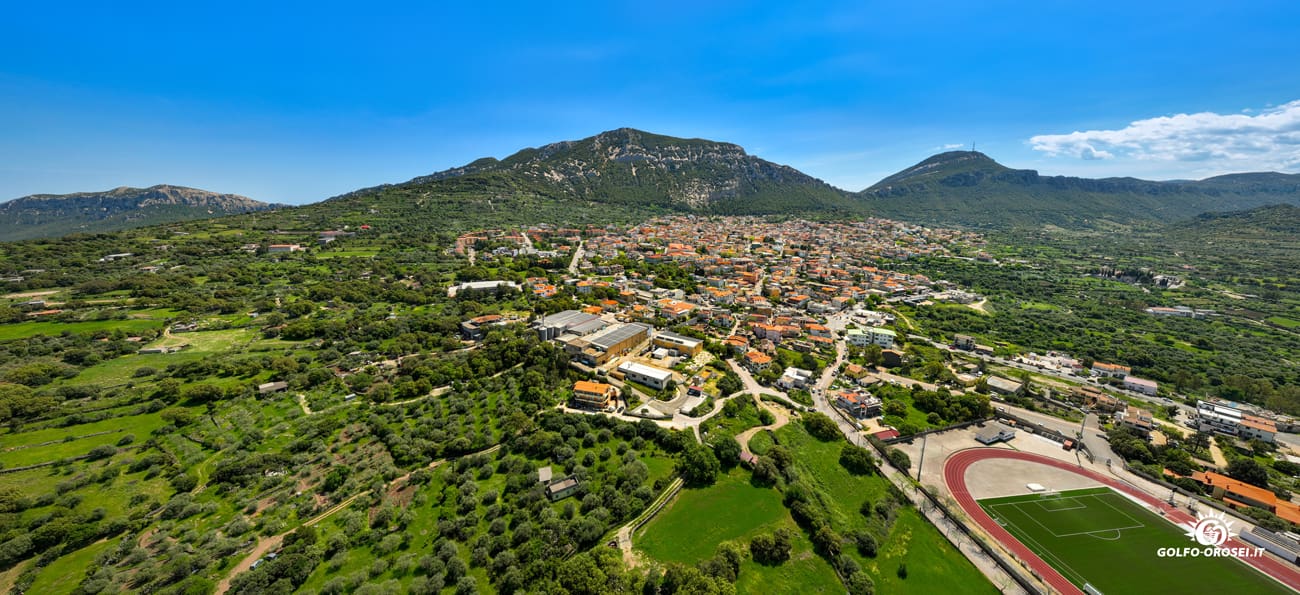
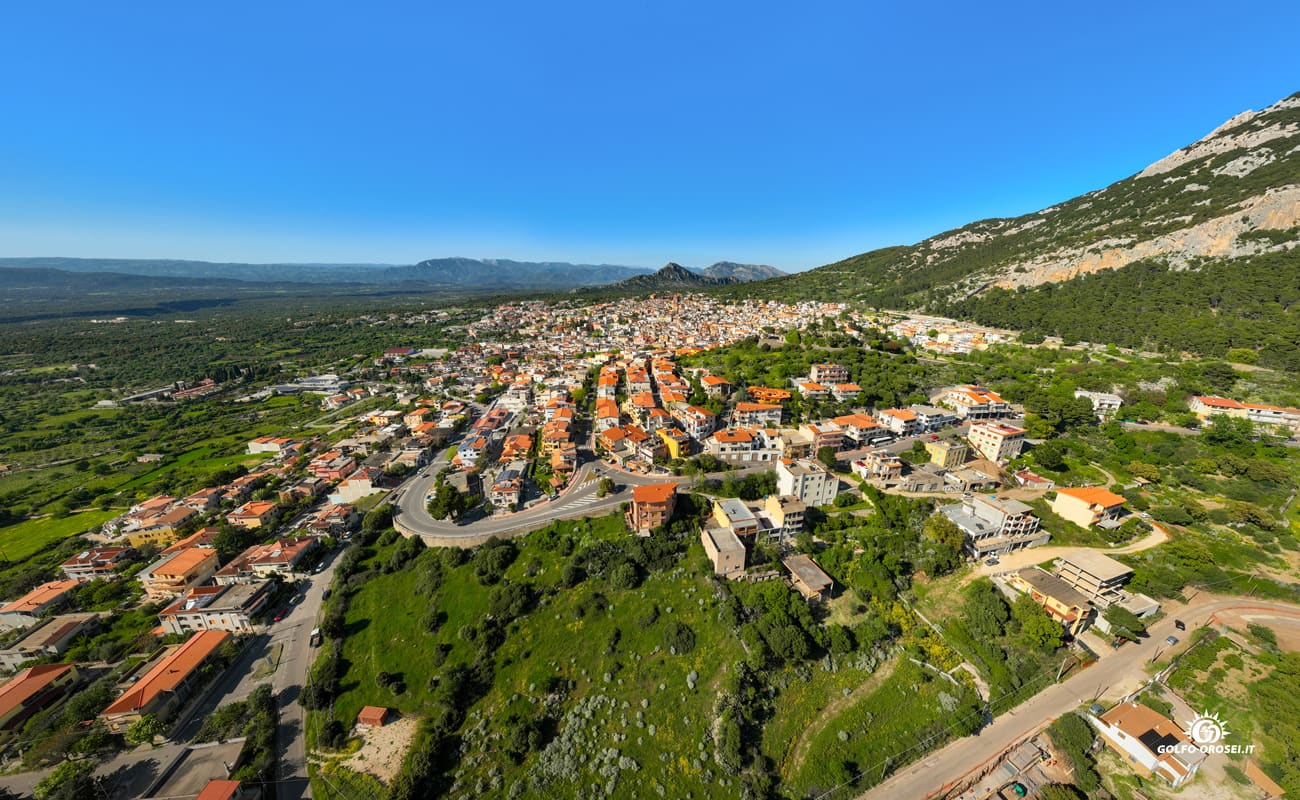
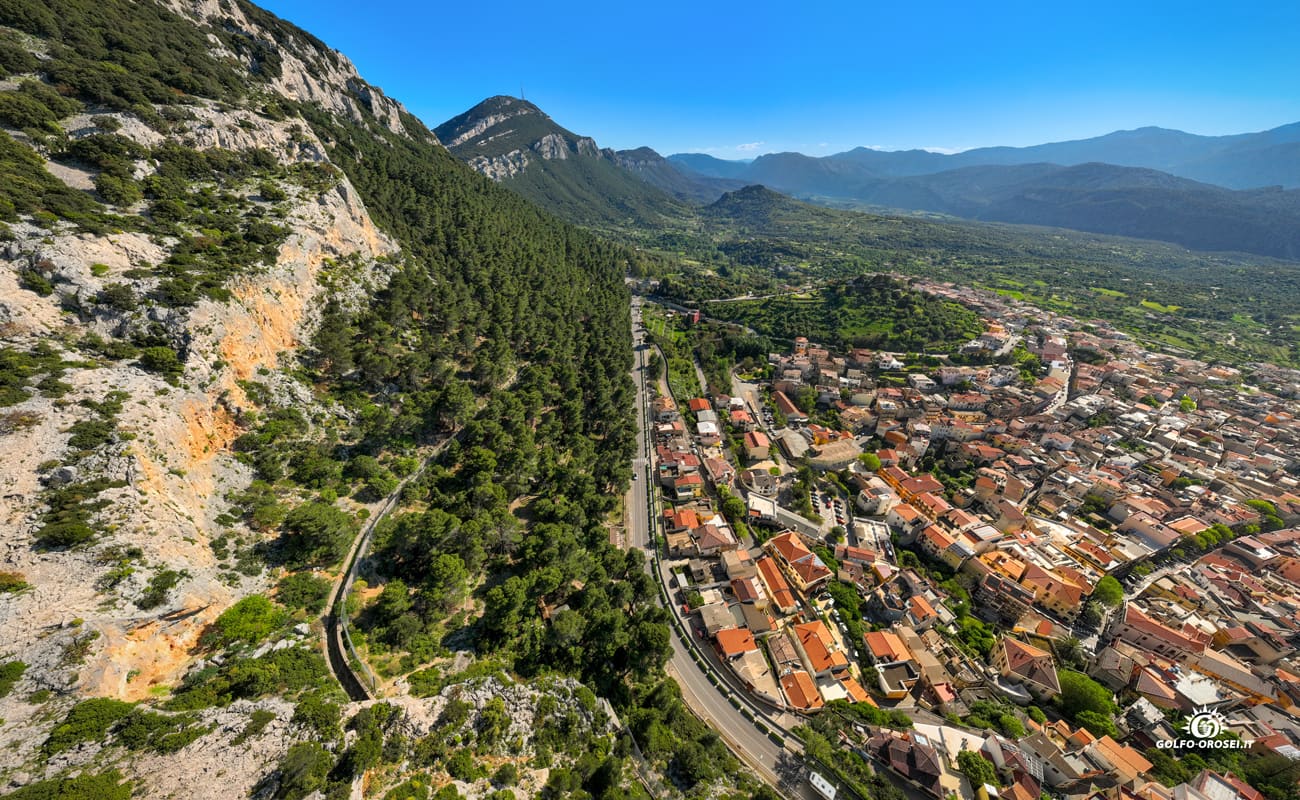
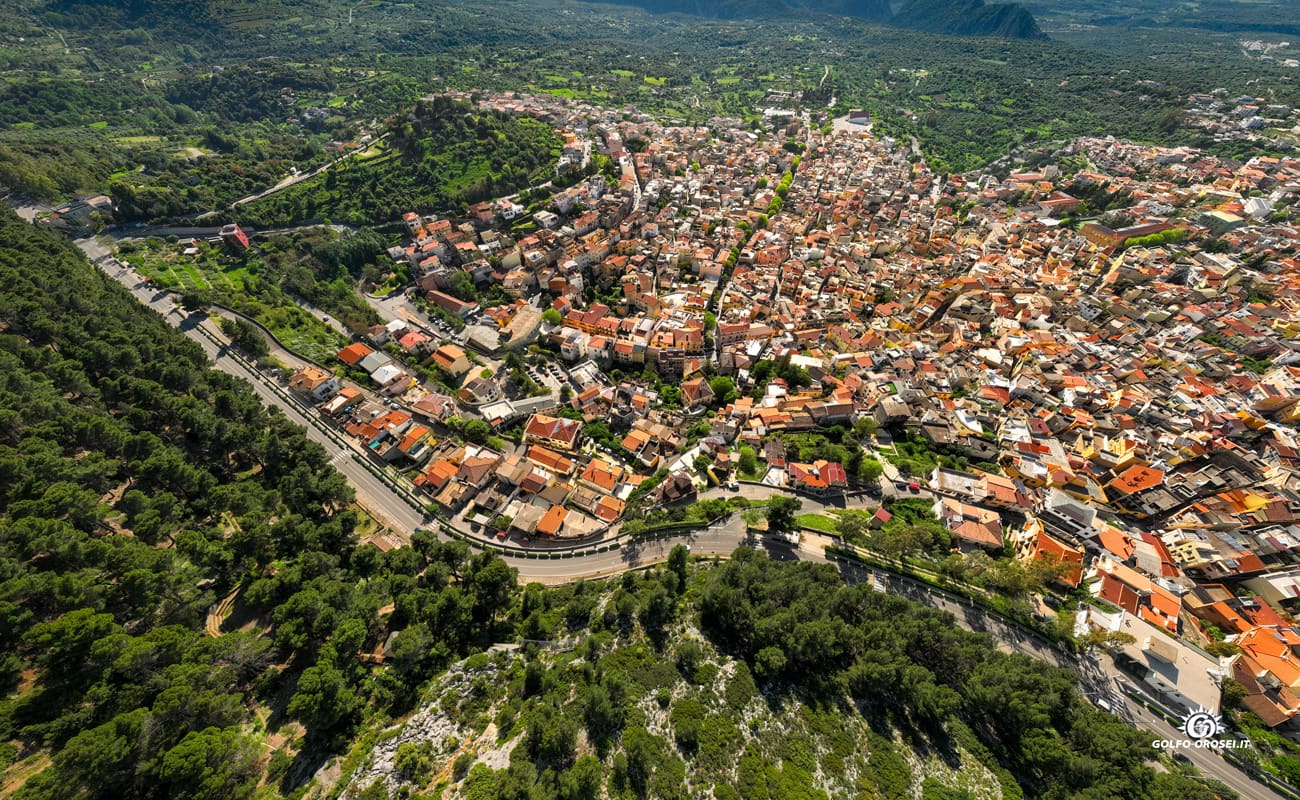
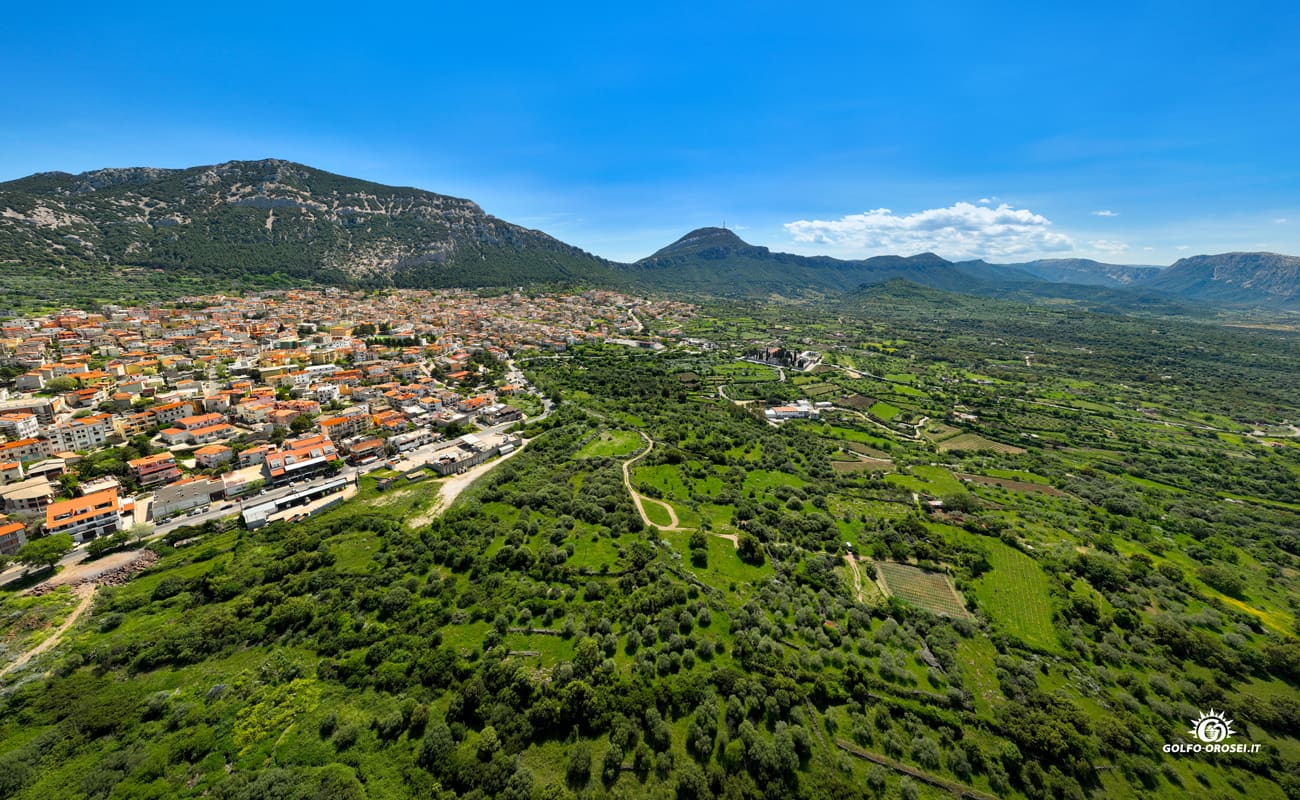
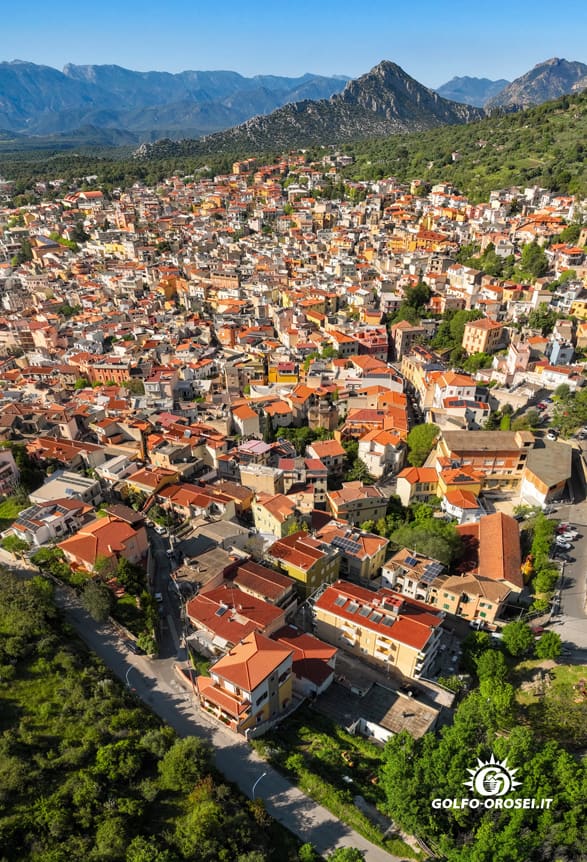
The true tourism value of Dorgali lies in the remarkable density of diverse experiences coexisting within the same territory: a historic center with active artisan workshops, an exceptionally rich archaeological heritage, the Supramonte mountains with their canyons, cuiles and hiking trails, a complex karst cave system and the coastal area of Cala Gonone, gateway to the Gulf of Orosei. Dorgali is a destination-territory where inland landscapes and coastline enhance one another.
For a curious traveler, the promise of Dorgali is above all emotional and intellectual: the feeling of moving through a “dense” Sardinia, not reduced to a simple beach backdrop. Here you would encounter remarkable landscapes, along with the rare opportunity to understand how a territory can bring together pastoral traditions, the sea, craftsmanship, religious heritage, archaeology and cuisine without reducing them to mere folkloric decoration.
Dorgali is a layered territory, capable of offering a stay that intertwines nature, archaeology, the sea and material culture. Its area contains a remarkably dense archaeological heritage: nuraghi, villages, Giants’ Tombs and other sites that tell the long story of inland Sardinia. Serra Orrios, with its large Nuragic village and two megaron temples, is one of the best-preserved complexes on the island.
Tiscali is a village hidden inside a sinkhole, while Nuraghe Mannu dominates the Gulf of Orosei from a promontory about 200 meters above sea level, offering spectacular panoramic views of the coastline and the sea below.
S’Ena ‘e Thomes impresses visitors with its monumental stele, nearly four meters high. Few Sardinian destinations can offer such a variety of archaeological sites within the same area, all understandable even to non-specialists.
Dorgali also stands out because of its “vertical” geography: the underground depth of its caves, the elevation of the Supramonte, the descent into canyons and the sudden transition from the Oddoene Valley to the cliffs of the Gulf. Ispinigoli Cave offers a equipped descent of 280 steps leading into a vast underground chamber dominated by a massive limestone column. The Bue Marino Cave combines sea access with limestone formations, underground lakes and traces of prehistoric human presence. The Supramonte of Dorgali reveals cuiles, natural arches, river pools and access routes toward Tiscali and Gorropu.
The relationship between Dorgali and Cala Gonone is structural and dates back to the time when the only connection between the two villages was possible through Passo Littu. Many residents of Dorgali spend the working season in Cala Gonone, which represents the coastal side of the territory. From here depart boat excursions, diving activities and cave visits, together with many other leisure and cultural experiences. Cala Gonone also has its own traditions, such as the Festa della Madonna del Mare and an intense summer atmosphere shaped by music, events and celebrations around the harbor.
Dorgali and the coast form a single tourism identity with two different rhythms: one more inland, artisanal and rooted in tradition; the other more maritime and panoramic.
In Dorgali, many “traditional” objects can be purchased, but the value of craftsmanship goes far beyond shopping. Its most precious dimension is cultural: it lies in the gestures, the knowledge and the relationship between the artisan and the object while it takes shape. Thinking about craftsmanship only as a purchase would reduce its most authentic aspect — what is transmitted through material, gesture and time.
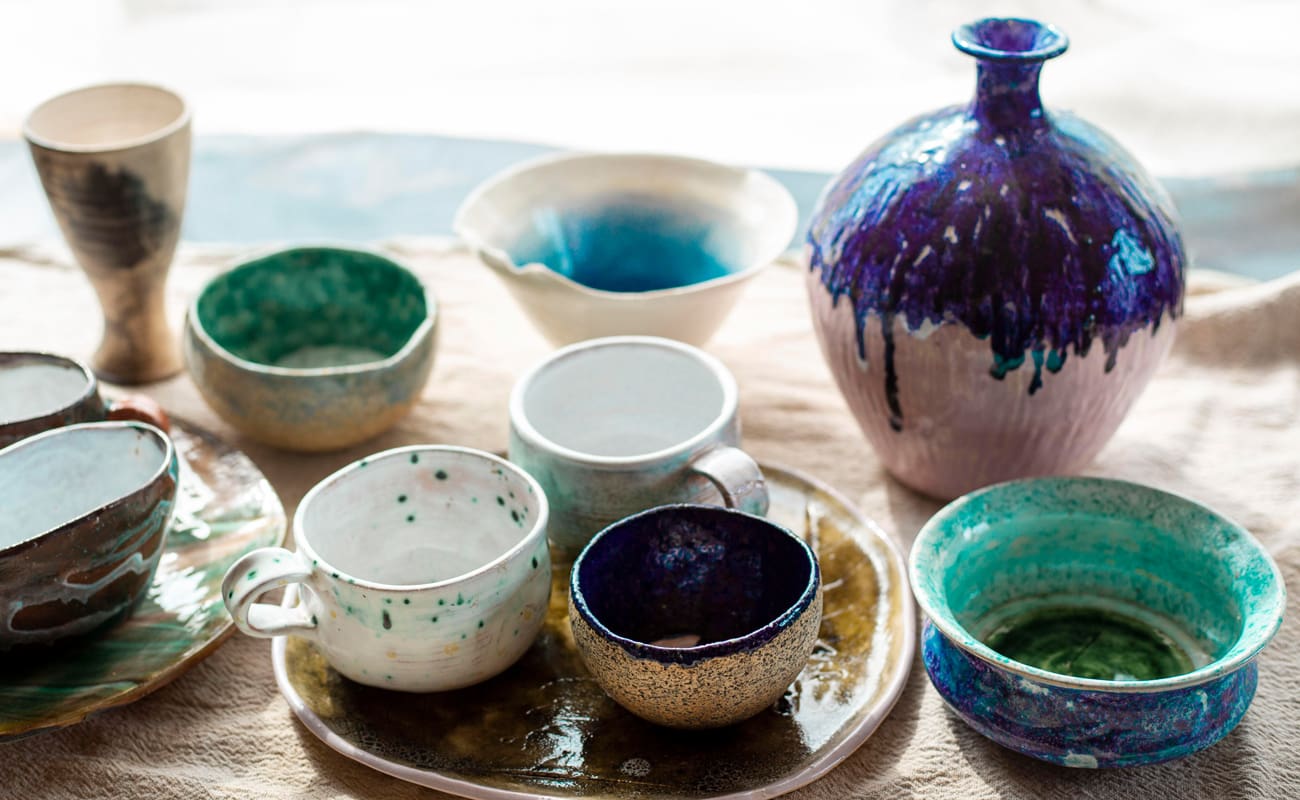
In Dorgali it is possible to observe filigree jewelry, ceramics, weaving, leather craftsmanship and traditional sweets as living practices, also through experiential visits. Visitors can enter workshops and, beyond simply photographing a display window, watch the creation of ceramic pieces or learn about the filigree-making process inside goldsmith workshops. These experiences are joined by masters connected to ancient Sardinian confectionery traditions, weaving and leatherworking.
Alongside its traditional heritage, Dorgali also possesses a modern artistic identity, well represented by the Salvatore Fancello Museum and the local ceramic community. The town therefore cannot be reduced to “tradition” alone: there is also a twentieth-century artistic story to discover.
Holy Week, Autunno in Barbagia, the Magnalonga, Calici di Stelle, the Festa della Madonna del Mare and the Cala Gonone Jazz Festival show that the destination maintains its intensity even beyond the standard idea of a seaside holiday.
It is an ideal territory to experience throughout the year: between archaeology, caves, trekking and craftsmanship, Dorgali offers experiences suited to many different interests.
Useful Information
For your Advertising
A simple and targeted opportunity to be found by those looking for experiences in the area.
Learn moreExplore Other Destinations:
FAQ
Everything you want to know:
If you want to experience a real combination of inland landscapes, archaeology, craftsmanship, the Supramonte mountains and the coastline, Dorgali is one of the most complete destinations in Sardinia.
The variety of experiences available in the Dorgali area allows visitors to combine the sea, trekking, caves, Nuragic sites and local traditions within the same stay.
Yes.
Cala Gonone represents the seaside side of the Dorgali territory. It is the main departure point for excursions in the Gulf of Orosei, cave visits and sea activities, while Dorgali itself maintains a stronger connection with inland traditions, craftsmanship and local culture.
The territory of Dorgali includes some of the most important archaeological sites in eastern Sardinia, such as the Nuragic Village of Serra Orrios, the hidden village of Tiscali, Nuraghe Mannu and the Giants’ Tomb of S’Ena ‘e Thomes.
Yes, especially thanks to its proximity to Cala Gonone, which represents the coastal side of the Dorgali area.
From a logistical point of view, staying in Dorgali can also be a more practical and economically convenient solution compared to staying directly by the sea, especially during high season.
Cala Gonone and its tourist harbour can be reached within just a few minutes by car, while still benefiting from easier access to services, parking and often a wider variety of accommodation options.
The territory offers a wide range of experiences, including trekking in the Supramonte, visits to the Ispinigoli Cave and the Bue Marino Cave, canyons such as Gorropu, hiking routes toward Tiscali and boat excursions along the Gulf of Orosei.
Dorgali is known for its Sardinian filigree jewellery, artistic ceramics, traditional weaving and leather craftsmanship.
Many workshops also allow visitors to observe artisans at work and discover traditional techniques still used today.
Dorgali can be visited throughout the entire year.
Spring and autumn are ideal for trekking, archaeology and cave visits, while summer is perfect for the sea, boat excursions and coastal activities.
It depends on the chosen route.
Some itineraries are suitable even for occasional hikers, while others require good physical preparation, orientation skills and knowledge of the territory.
For more demanding routes, relying on a local guide is recommended.
© 2026  Multiweb di Vitalii Iarosh VAT: 02320060227. All Rights Reserved.














 Italiano