

The name Serra Orrios is not as ancient as the structures themselves, but belongs to a past much closer to us. “The ridge of the rock shelters” may be one possible interpretation of the place name; more precisely, orrios in Sardinian refers to the containers used to store grain. The Gollei plateau, where the village stands, was long an area also devoted to grain cultivation.
Yet behind this uncertain name lies a village whose story began more than 3,000 years ago.
To find out, you need to leave the coast behind and venture into the inland countryside of Dorgali, where, among rolling hills and Mediterranean scrub, one of the most important Nuragic villages in Sardinia has been preserved.
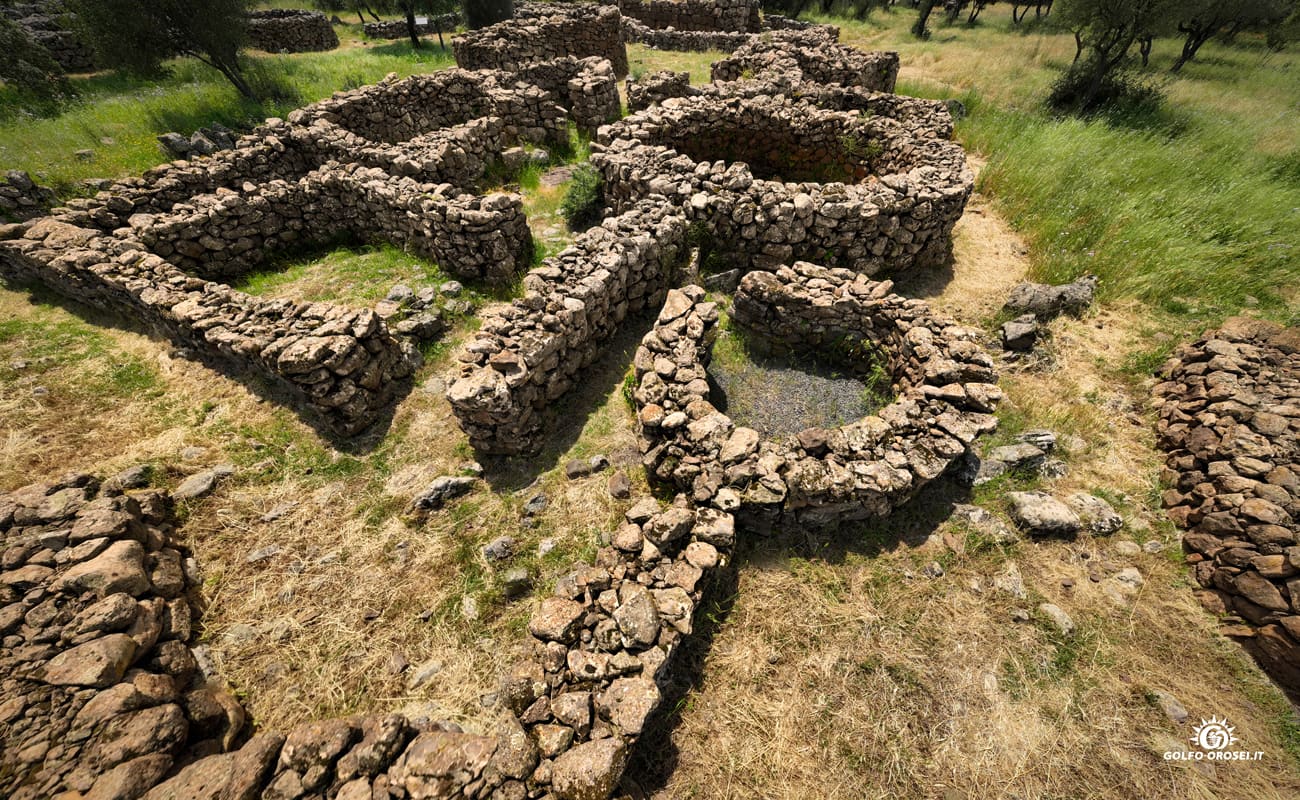
Serra Orrios offers one of the most complete glimpses into Nuragic civilization. With its dozens of huts, megaron temples and the many artifacts uncovered during archaeological excavations, the site is an essential stop for anyone wishing to explore the island’s most ancient past.
The answer lies in the huts, communal spaces and artifacts uncovered during excavations at Serra Orrios, many of which are now preserved in the Archaeological Museum of Dorgali. Pottery, decorative stamps, spindle whorls, loom weights, grinding stones, stone tools and metal artifacts reveal a well-organized community capable of managing its territory, making use of local resources and sustaining a way of life centered on farming, herding, craftsmanship and communal activities.
At the center of each hut stood a hearth, around which much of domestic life revolved. This was where food was prepared, work was carried out and people likely gathered in the evenings, finding shelter from bad weather and protection from the elements.
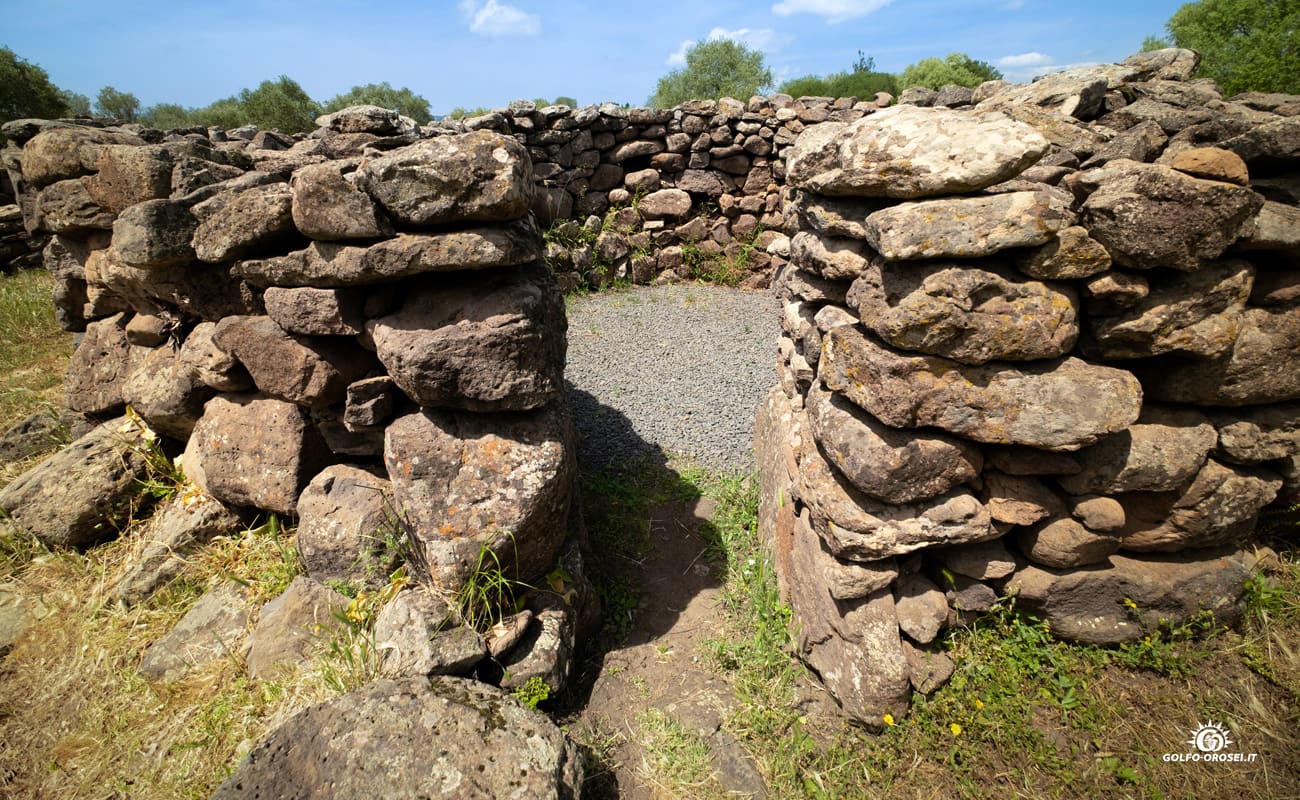
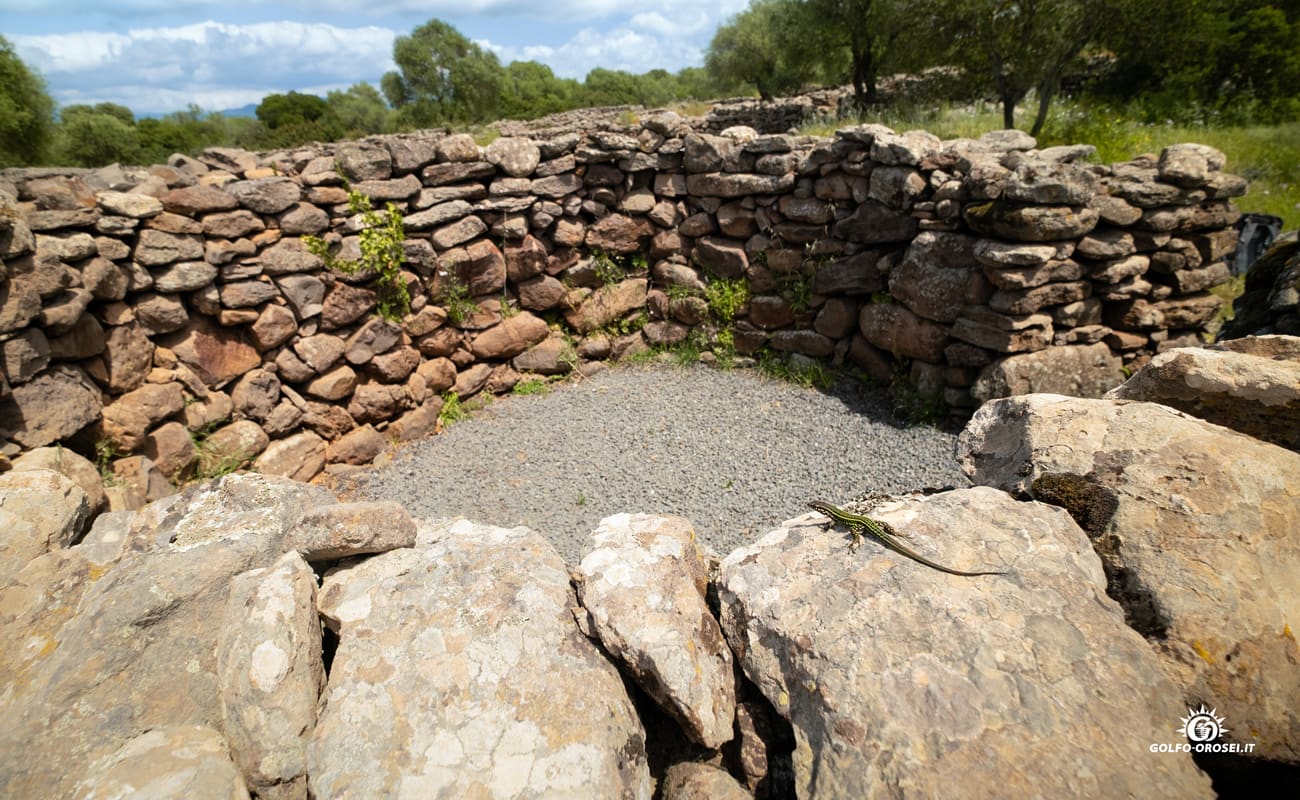
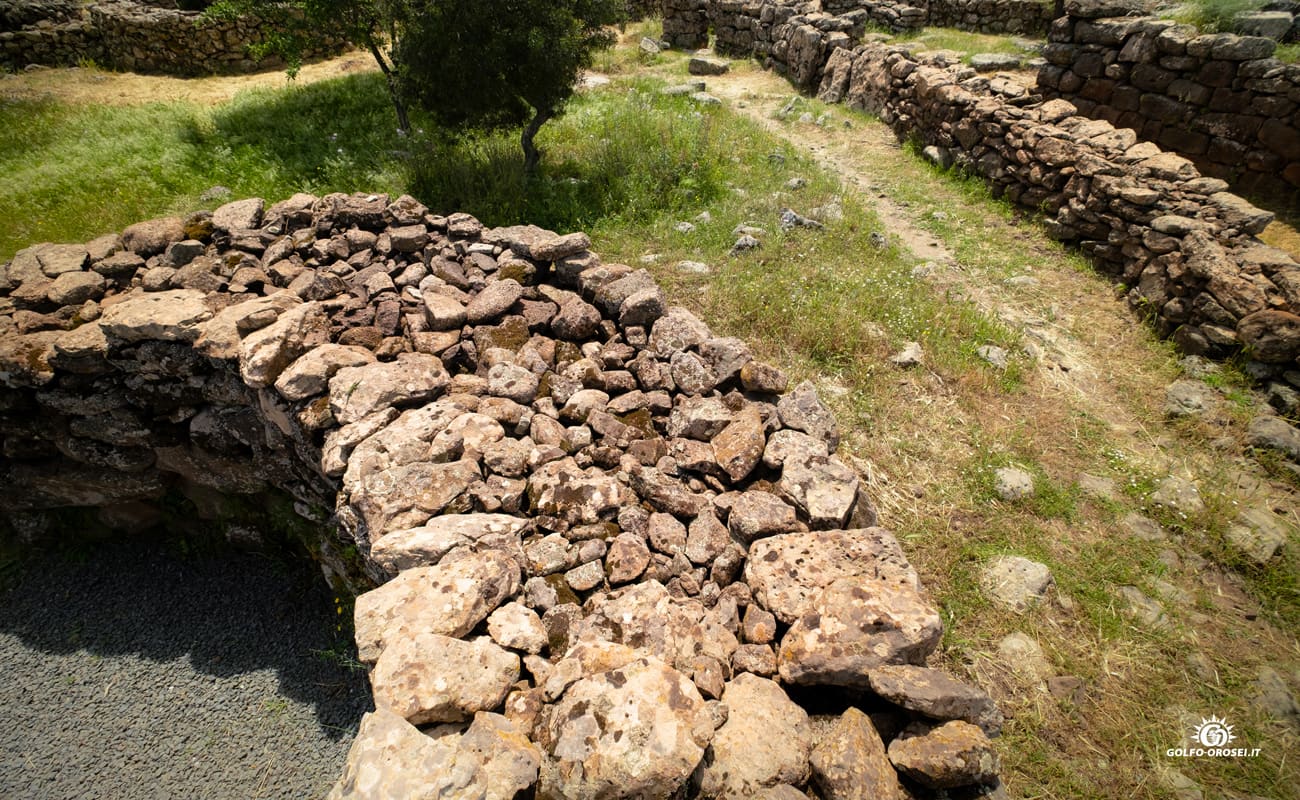
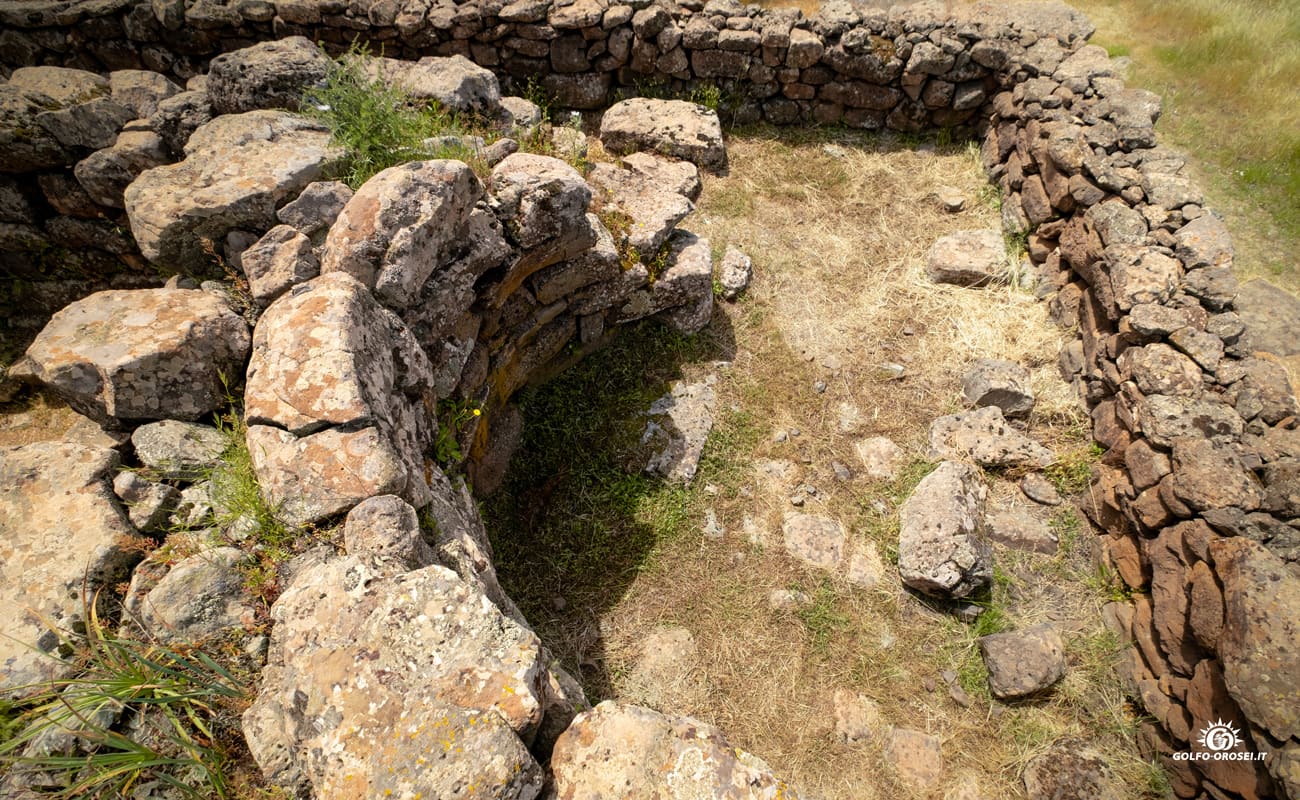
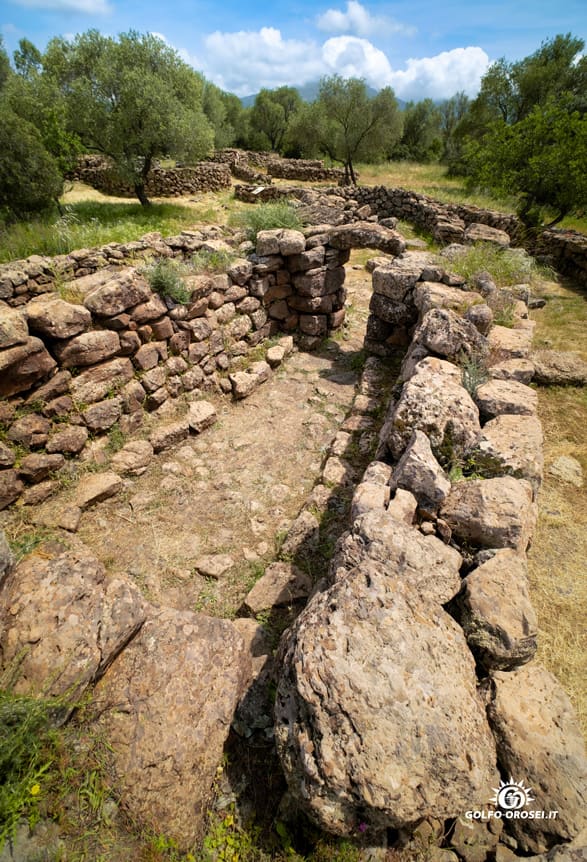
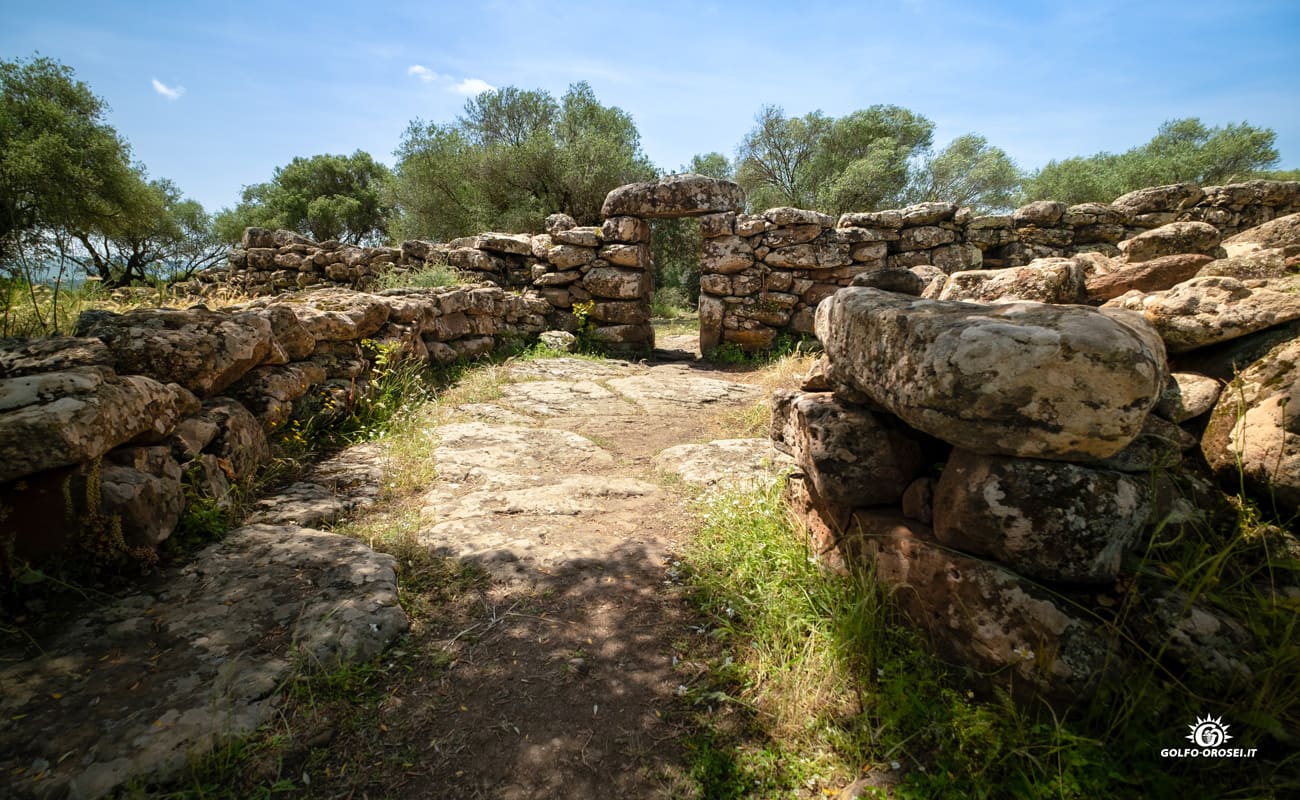
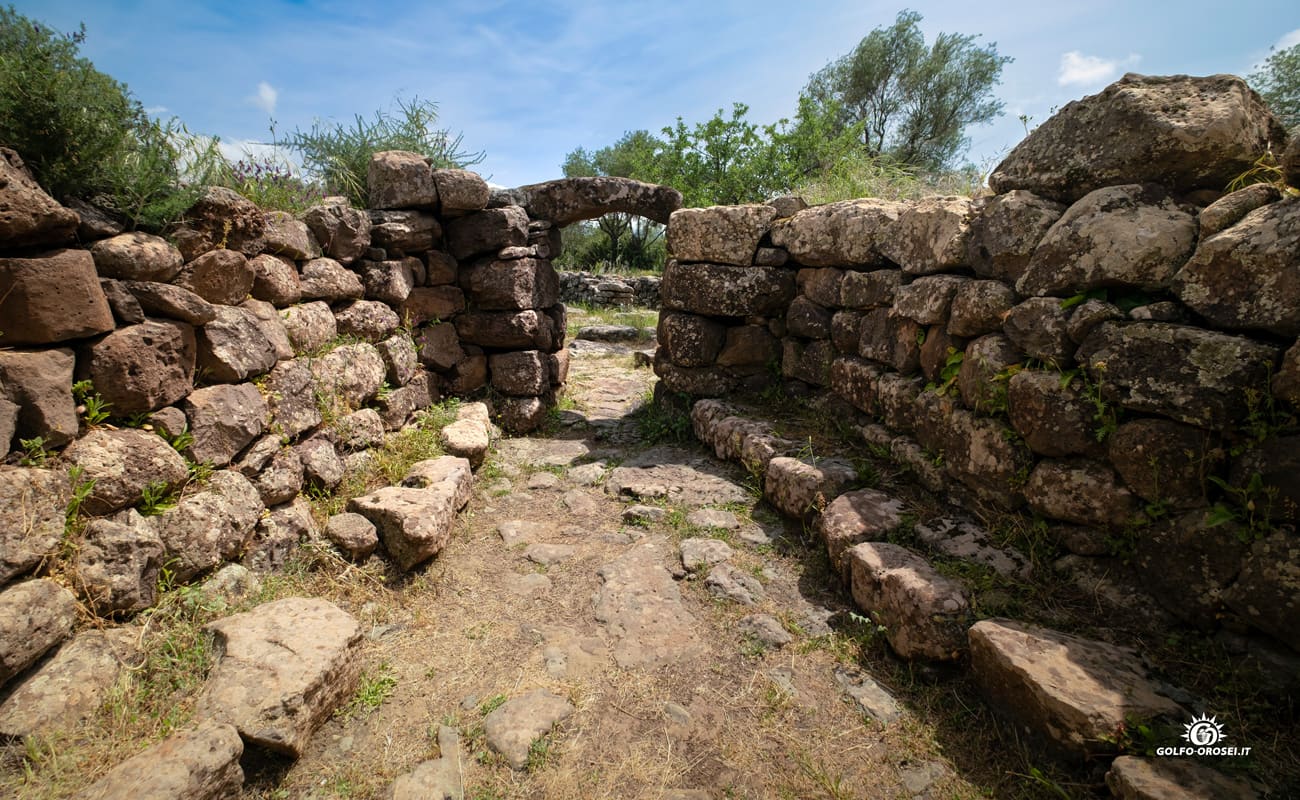
Built from basalt stones arranged in irregular courses, the huts had circular ground plans and were covered by conical roofs made of timber and branches. Their interiors were simple but practical: floors could be paved with stone or packed earth, while niches carved into the thickness of the walls were used to store tools and everyday objects.
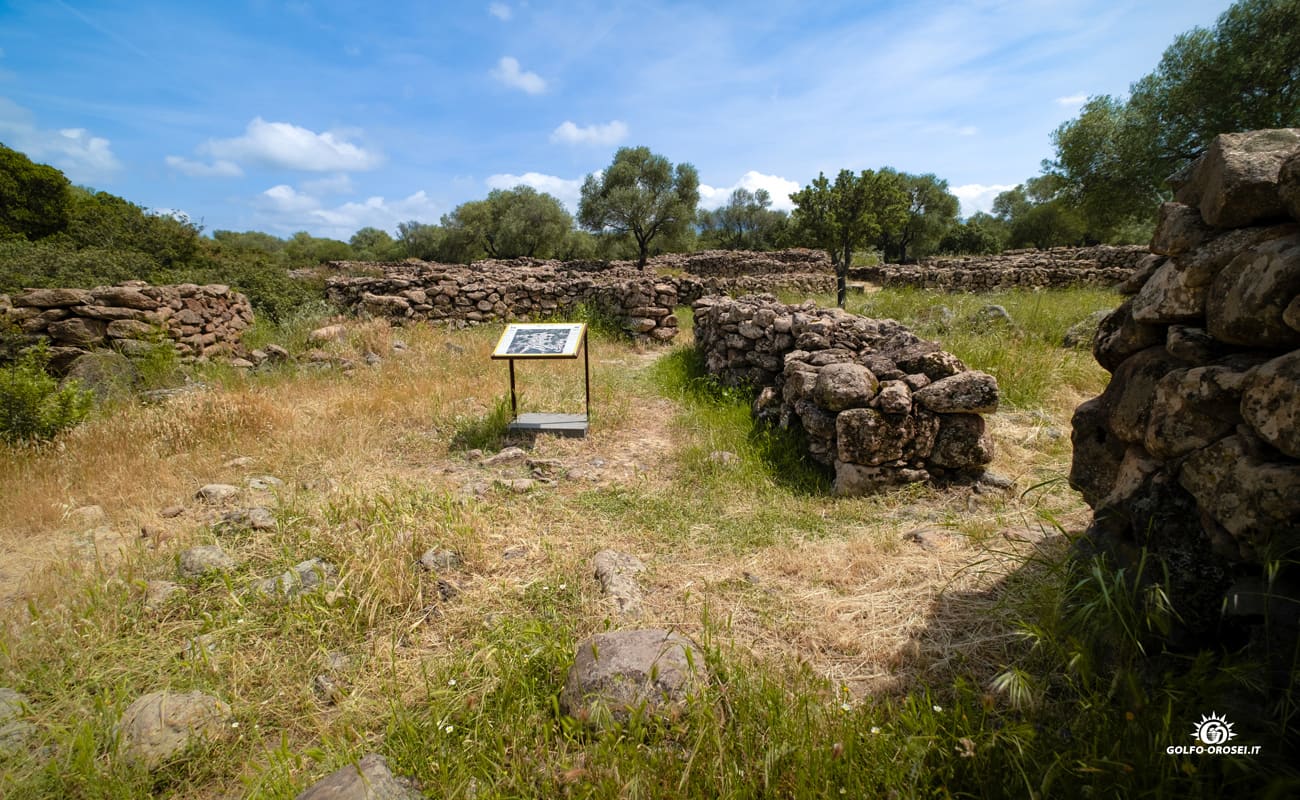
At first glance, especially for visitors who have already explored Nuraghe Mannu, some of the structures may appear to belong to a later settlement because they differ from the classic circular huts commonly associated with Nuragic villages. In reality, among the houses and communal spaces stand two sacred buildings that add an important ritual dimension to the site: the megaron temples.
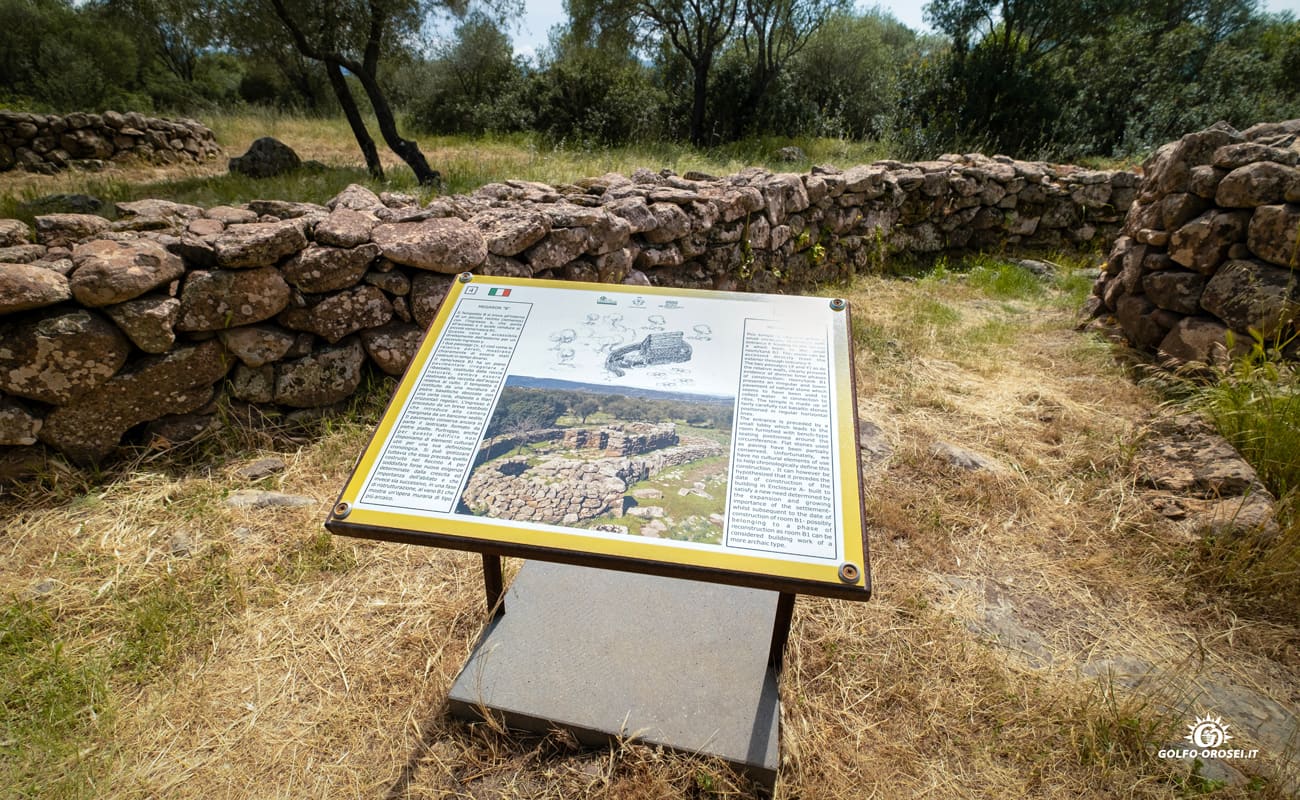
Probably connected to ritual practices and the worship of water, these small temples distinguish Serra Orrios from many other Nuragic settlements. Their architecture, featuring a vestibule, an inner chamber and an enclosing precinct, reveals a more complex and sophisticated side of village life.
Yet, as beautiful as photographs may be, there is something about Serra Orrios that can only be understood by visiting it in person. Walking among the huts, observing the temples and following the contours of the ancient stones, the site conveys a feeling that is difficult to capture in an image: the feeling of standing before a story thousands of years old that still echoes through the landscape of the Gulf of Orosei.
Useful information
For your Advertising
A simple and targeted opportunity to be found by those looking for experiences in the area.
Learn moreExplore Other Destinations:
FAQ
Everything you want to know:
The Nuragic Village of Serra Orrios is located in the inland area of Dorgali, within a hilly landscape surrounded by Mediterranean scrubland, along the route leading to the Oddoene Valley and the Supramonte mountains.
Serra Orrios is easily accessible by car from Dorgali via the SP38 road. From the parking area, a short walking path leads to the archaeological site.
Opening hours vary depending on the season. In June and September, the site is open from 09:00 to 13:00 and from 15:00 to 18:00. During July and August, afternoon opening hours are extended until 19:00.
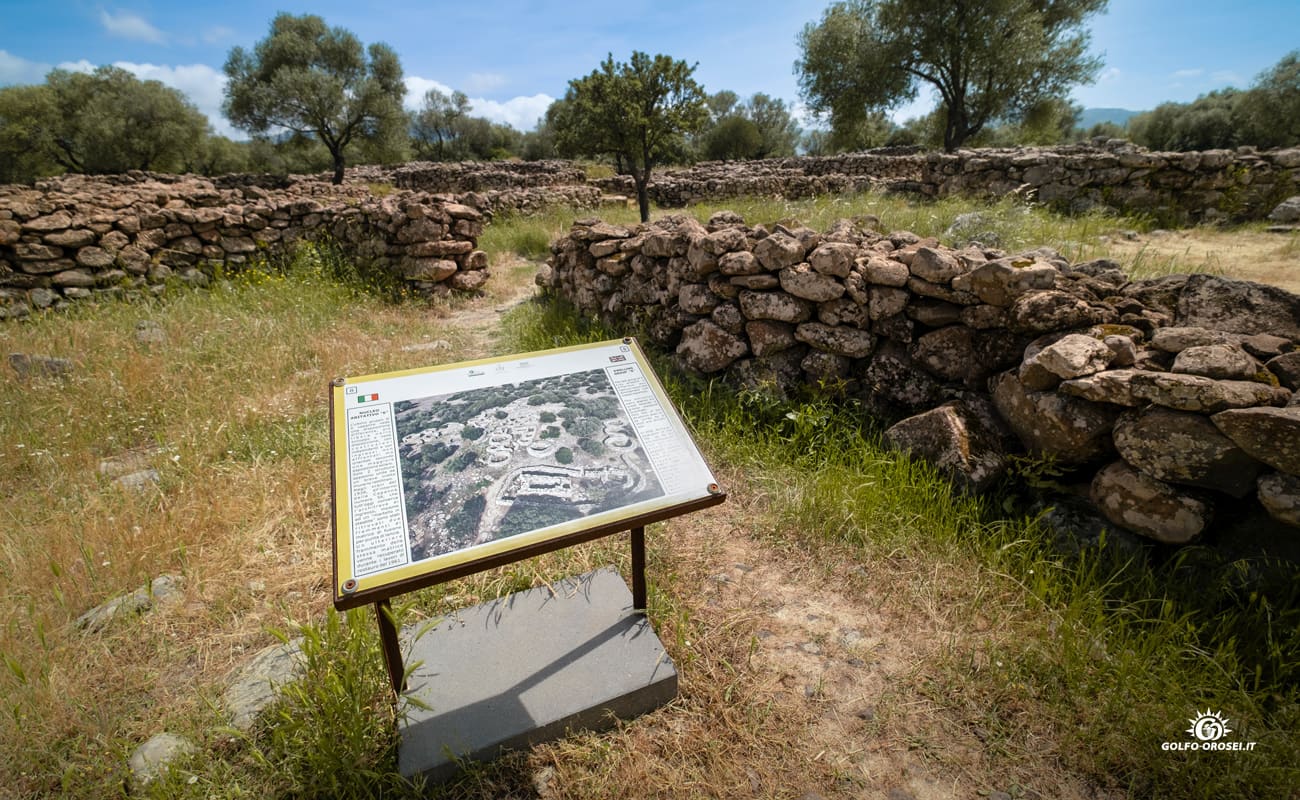
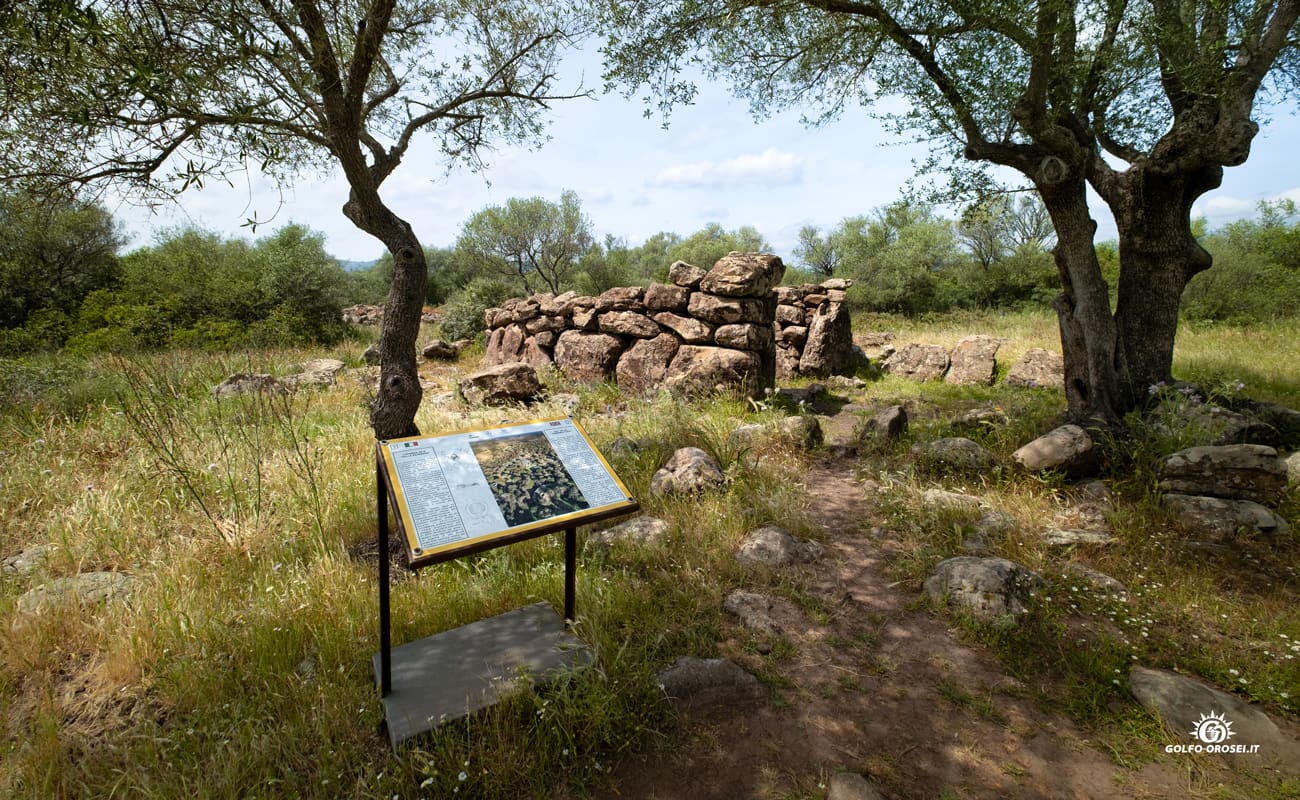
A visit typically takes 45–90 minutes, depending on how much time you spend exploring the huts, the megaron temples and the information panels along the route.
The site can be visited independently, but an archaeological guide can help visitors better understand the purpose of the structures, everyday Nuragic life and the significance of the megaron temples.
Serra Orrios is considered one of the largest and best-preserved Nuragic villages in Sardinia. The site includes dozens of huts and two rare megaron temples, an architectural type found only in a limited number of important Nuragic settlements.
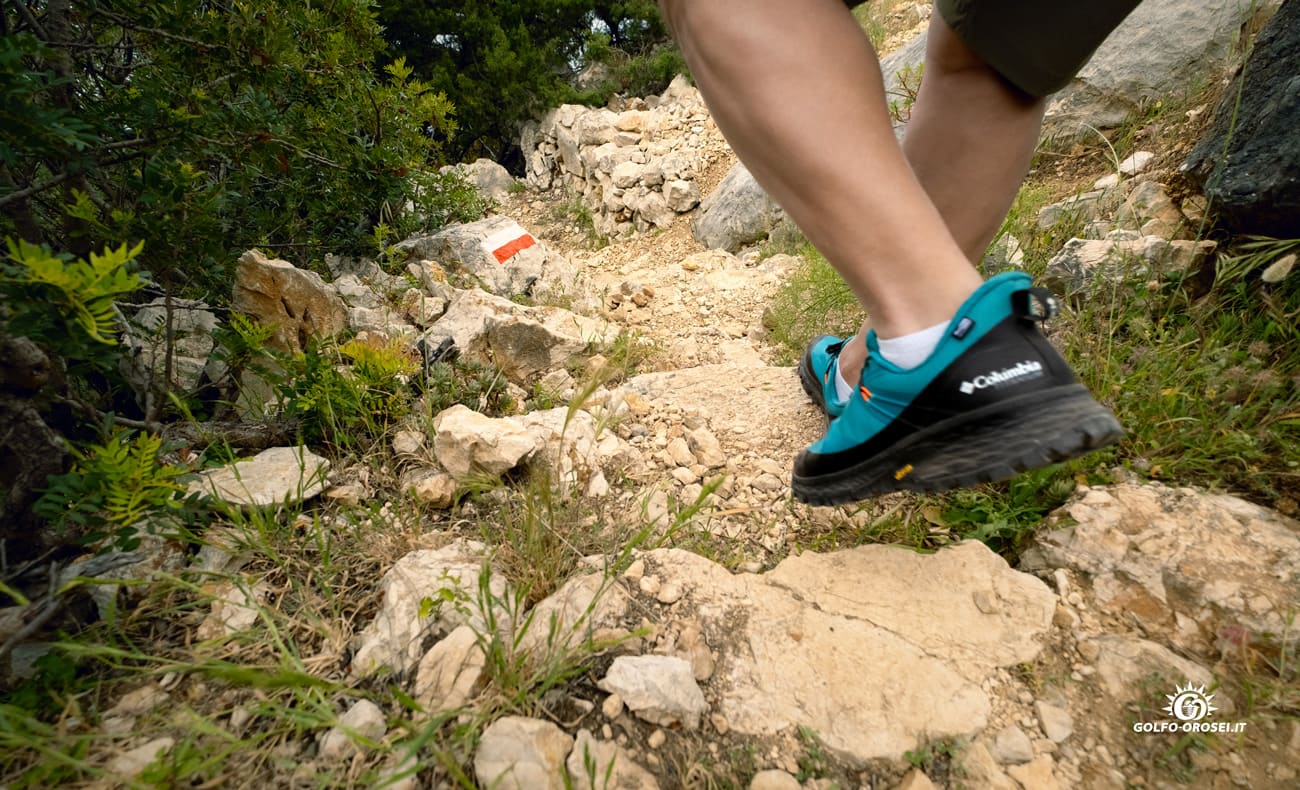
It is recommended to bring comfortable walking shoes, water, a hat and sun protection, especially during the summer months.
A guided visit costs €8 for adults, €4 for reduced admission and €5 for groups. A self-guided visit costs €6 for adults and €3 for reduced admission.
© 2026  Multiweb di Vitalii Iarosh VAT: 02320060227. All Rights Reserved.





















 Italiano